In a world where time is money, automated contract drafting is like having a superhero in your corner. Gone are the days of drowning in piles of paperwork and deciphering legal jargon that sounds like it was written by a caffeinated octopus. With just a few clicks, businesses can whip up contracts faster than you can say “legalese,” letting them focus on what really matters—growing their empire.
Overview of Automated Contract Drafting
Automated contract drafting streamlines the creation of legal documents, reducing time and effort for businesses. This technology simplifies complex legal language, making contracts easier to understand and create accurately. By leveraging templates and predefined clauses, companies avoid costly errors associated with manual drafting.
Efficiency often increases significantly with automated systems. Businesses can generate contracts in minutes rather than days, which enhances productivity. Tools for automated drafting include advanced software that integrates artificial intelligence, allowing for customized and compliant document generation.
Collaboration improves as teams can share and edit drafts seamlessly. Cloud-based platforms enable real-time collaboration across departments, ensuring that stakeholders can contribute effectively. Legal teams gain the ability to focus on strategic initiatives rather than mundane paperwork, promoting overall business growth.
Cost savings materialize through reduced legal fees and minimized administrative burdens. Organizations no longer require extensive resources for contract creation, as automated solutions require fewer personnel to manage the process. Consequently, companies allocate their resources more efficiently.
Security features often accompany automated drafting systems. Secure digital storage protects sensitive information, while audit trails provide transparency in document management. By maintaining compliance with relevant regulations, businesses ensure that their contracts meet legal requirements.
In summation, automated contract drafting revolutionizes the way companies handle legal agreements. It offers numerous advantages, from enhanced efficiency to cost savings, while enabling legal teams to take on more significant responsibilities. Embracing this technology positions businesses to succeed in a competitive environment.
Benefits of Automated Contract Drafting

Automated contract drafting offers significant advantages for businesses seeking efficiency and accuracy. Here are some key benefits.
Time Efficiency
Time efficiency stands out as a prominent benefit of automated contract drafting. Contracts can be generated in minutes instead of days, allowing legal teams to redirect their focus toward strategic initiatives. Instant access to templates and predefined clauses eliminates the tedious process of manually drafting each contract. Enhancing real-time collaboration through cloud-based platforms further accelerates contract creation. Stakeholders can edit and review contracts simultaneously, expediting approvals and reducing delays. Such efficiency ensures that businesses can quickly respond to opportunities and maintain competitive advantage.
Cost Savings
Cost savings emerge from automated contract drafting as businesses minimize legal fees associated with extensive contract negotiations. With this technology, organizations require fewer personnel for contract creation, leading to reduced administrative overhead. Streamlining the drafting process lowers expenses, freeing up resources for other critical areas of the business. By decreasing the time spent on administrative tasks, companies can allocate budgets toward growth initiatives rather than paperwork. Eliminating costly errors and inefficiencies also contributes significantly to overall savings, enhancing financial health.
Reduced Errors
Reduced errors significantly impact the overall effectiveness of contract drafting. Automation minimizes human error by utilizing standardized templates that maintain consistency across documents. Built-in compliance checks help ensure adherence to legal requirements and organizational policies. Streamlined processes lead to fewer omissions and misunderstandings, ultimately enhancing contract reliability. Legal teams can trust that the generated documents reflect accurate terms and conditions, safeguarding the organization from disputes. Improved accuracy not only strengthens business relationships but also fosters confidence in legal agreements.
Key Features of Automated Contract Drafting Tools
Automated contract drafting tools offer several key features that enhance efficiency and accuracy in creating legal documents.
Templates and Customization
Templates play a crucial role in automated contract drafting. They provide predefined structures that save time and reduce the likelihood of errors. Users can easily customize these templates to meet specific needs, ensuring every contract aligns with organizational requirements. The flexibility of this feature allows for rapid adaptation to changing regulations or business demands. Templates also include standard clauses that simplify contract creation and enhance consistency across documents.
Integration with Existing Systems
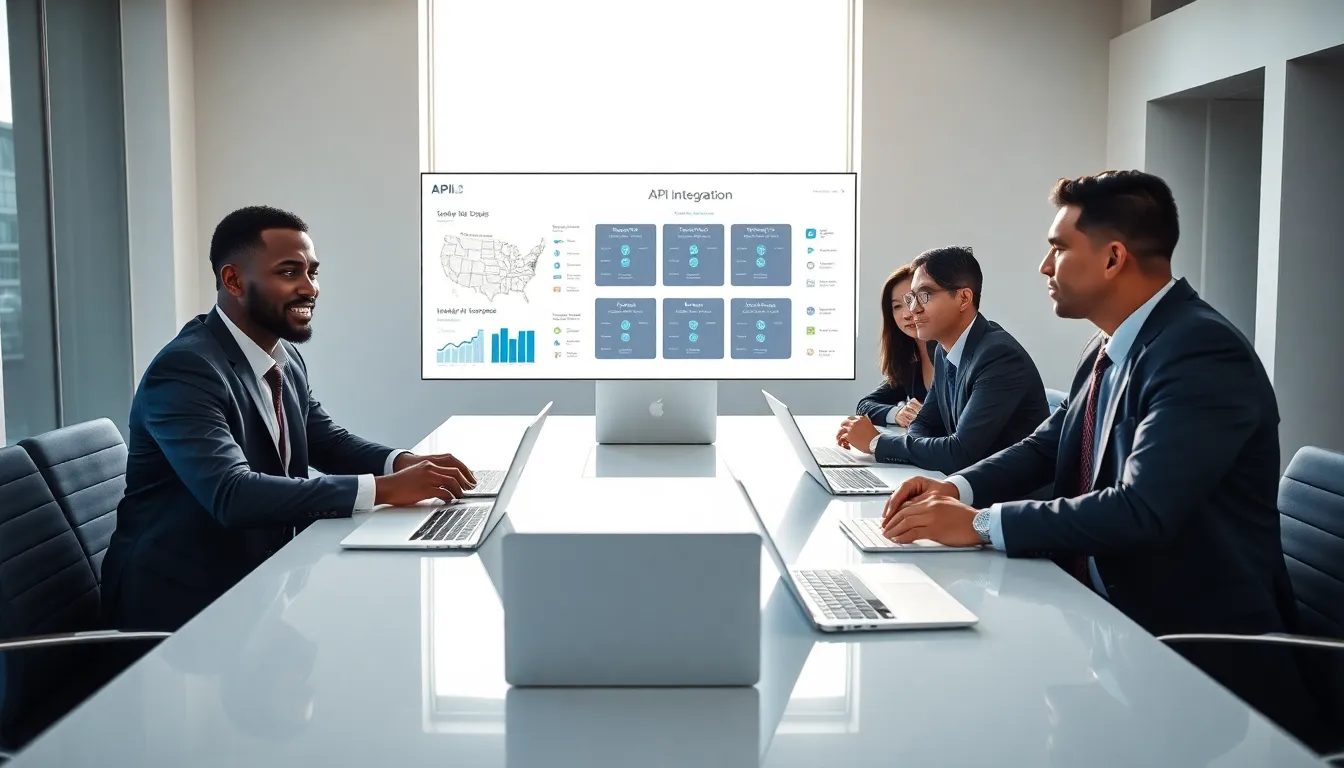
Integration capabilities ensure automated contract drafting tools work seamlessly with existing systems. Many businesses use various software to manage different functions. When automated drafting tools integrate with these systems, they streamline information flow and reduce manual data entry. Users can easily import data from customer relationship management systems or enterprise resource planning software, minimizing redundancy. This efficient connection between tools enhances overall productivity and enables quicker turnaround times for contract generation.
Challenges and Limitations
Automated contract drafting presents some challenges and limitations that businesses must navigate.
Legal Compliance
Legal compliance remains a significant challenge for automated contract drafting. Regulations vary by jurisdiction, and automated systems must adapt accordingly. Failure to comply can lead to legal disputes or financial penalties. Furthermore, inadequate updates to legal templates may result in outdated clauses that do not reflect current laws. Businesses relying solely on automation should regularly review their contracts to ensure adherence to relevant legislation. Continuous monitoring of legal changes enhances the reliability of automated drafting tools. Compliance checks integrated into systems can also mitigate this issue, promoting accurate and timely adjustments.
User Acceptance
User acceptance plays a crucial role in the successful implementation of automated contract drafting. Resistance can stem from a lack of familiarity with technology or previous experiences with ineffective tools. Training programs can facilitate smoother transitions by familiarizing staff with the functionality and benefits of new systems. Additionally, user-friendly interfaces can enhance adoption rates, allowing employees to navigate the platforms confidently. Feedback mechanisms encourage continuous improvement and demonstrate the system’s value to users. Overall, addressing user concerns and promoting active participation in the transition process helps improve acceptance of automated solutions.
Future of Automated Contract Drafting
Automated contract drafting progresses rapidly, driven by advancements in artificial intelligence and machine learning. These trends enhance the capabilities of drafting tools and significantly impact the legal landscape.
Trends and Innovations
Emerging technologies like natural language processing improve the precision of automated systems. User experience continues to evolve with a focus on intuitive design, ensuring accessibility for legal professionals at all levels. Integration of artificial intelligence brings intelligent recommendations, allowing users to create more tailored agreements. Cloud-based solutions facilitate collaboration, enabling stakeholders to access documents anytime, anywhere. Additionally, data analytics helps organizations understand contract performance, leading to more informed decision-making about future agreements. Combining these innovations creates a dynamic environment where businesses can optimize contract management processes efficiently.
Impact on Legal Professionals
Legal professionals experience a shift in their roles due to automation. Routine tasks such as drafting simple agreements become less time-consuming, allowing them to focus on higher-level strategic initiatives. Communication improves, as stakeholders increasingly engage through collaborative platforms. It’s essential for legal teams to develop new skills related to technology and data analysis. Continuous learning becomes vital in adapting to these changes, helping professionals stay competitive. Embracing automated drafting enhances productivity, enabling legal teams to deliver timely results. Ultimately, the evolution of automated contract drafting fosters a more strategic approach to legal services, empowering professionals to drive value for their organizations.
Automated contract drafting is transforming the legal landscape for businesses. By streamlining the creation of contracts and minimizing errors, it allows organizations to focus on growth and innovation. The ability to generate documents quickly not only enhances productivity but also fosters collaboration among stakeholders.
As this technology evolves with advancements in AI and machine learning, its impact will only deepen. Legal professionals will find themselves empowered to engage in strategic initiatives rather than getting lost in routine tasks. Embracing automated contract drafting is essential for businesses looking to thrive in a competitive market while navigating the complexities of legal compliance.